Posted on — Leave a comment

Soccer Cleat Guide: FG, AG, TF and IC Explained

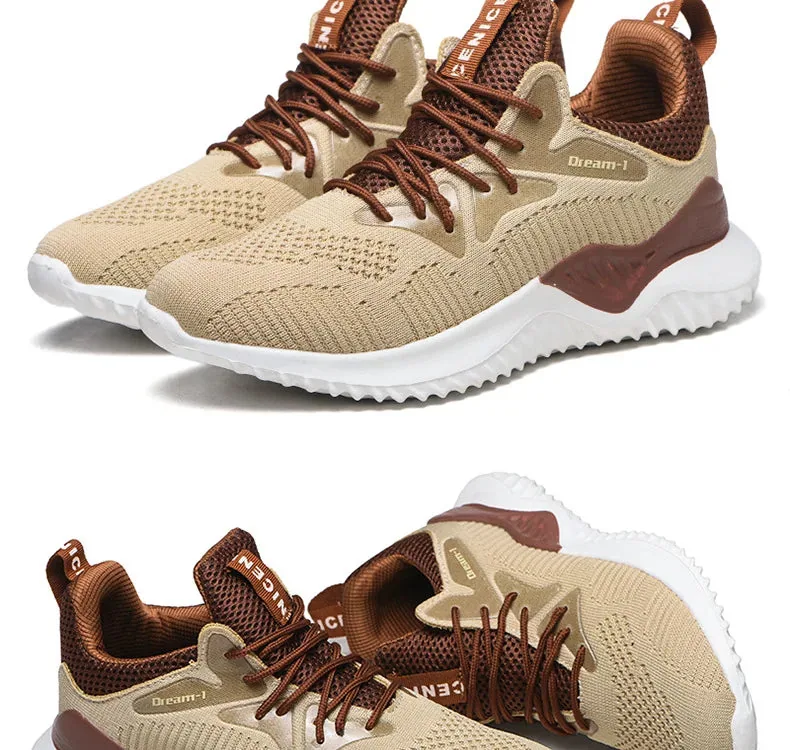
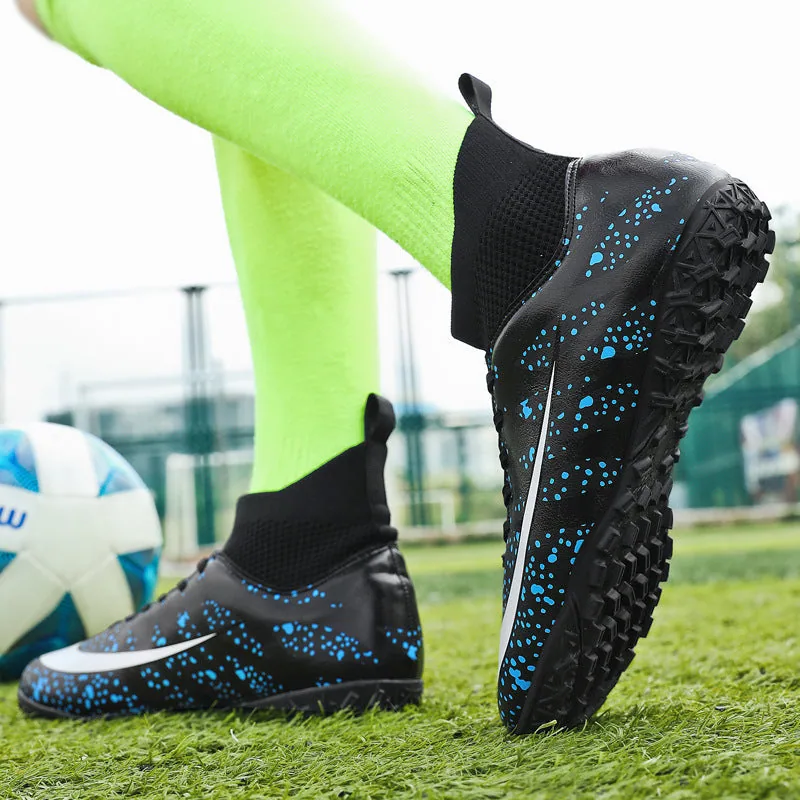
Large Adult and Kids' Soccer Cleats, Matches — product image 17

The two letters on a football boot describe its outsole, and that tells you which pitch it belongs on. Playing on the wrong surface is the fastest way to slip, lose traction, or pick up a knee or ankle injury.

FG — Firm Ground

The default outdoor boot. Studs are longer and fewer, designed for natural grass that is dry and reasonably firm. If you play most of your football on real grass in decent weather, FG is the right choice. They are also usable on artificial turf, though they will wear faster and bite harder than you want.

AG — Artificial Grass

Built for modern 3G/4G synthetic pitches. AG outsoles use more, shorter, and rounder studs to spread load across the surface, which reduces the pressure on your joints and lowers the risk of the boot catching in the turf. If you train weekly on artificial grass, this is the one to buy.

TF — Turf

Dozens of short rubber nubs instead of studs. TF boots are for older or shorter artificial turf, hard dirt, and gravel pitches — the surfaces where a studded boot is uncomfortable or not allowed. Grip is lower than AG, but so is the stress on your feet.

IC — Indoor Court

Flat, non-marking rubber soles for futsal and indoor courts. No studs at all, because the grip comes from the rubber compound against a smooth floor. Wearing outdoor boots indoors is usually against venue rules and will not give you the traction you expect.

How to choose

  • Ask what surface you play on most often, not what you play on occasionally.
  • If you split your time between grass and artificial turf, buy two pairs rather than one compromise pair.
  • Junior players usually need TF or AG — school and club pitches are often synthetic.
  • Fit matters as much as the sole: boots should be snug with a small amount of toe room, and you should not be able to slide your foot forward.

Our range covers men’s, women’s and kids’ football boots across all four sole types.
Posted on — Leave a comment

Water Shoes vs Sneakers: What to Wear at the Beach, River and Trail

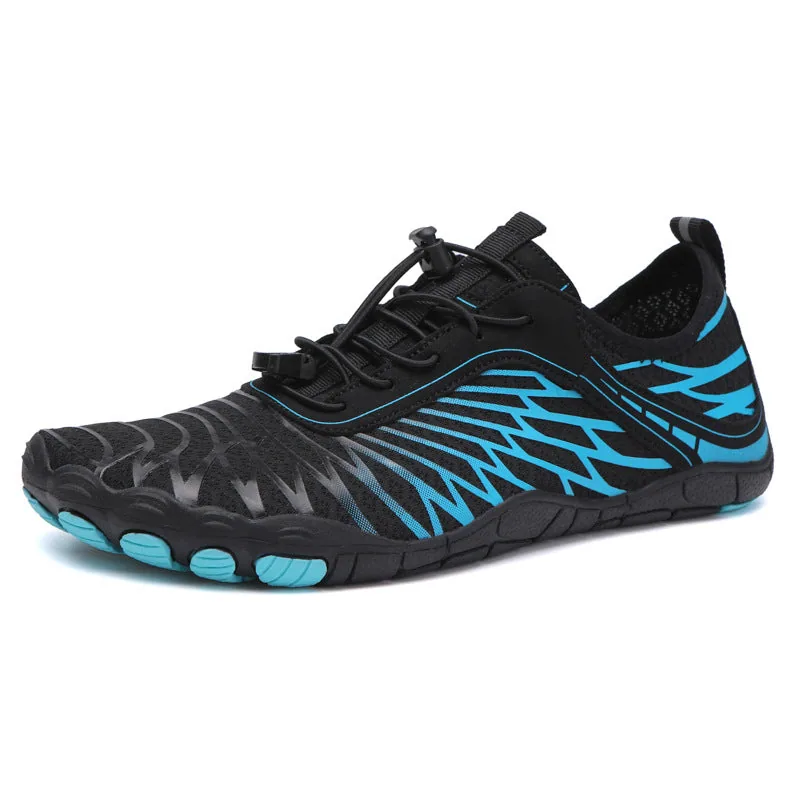
Quick-Dry Water Shoes with Bump-Proof Toe — product image 27

Water shoes are not just beach footwear. The reason they exist is drainage: a shoe that holds water gets heavy, rubs, and takes days to dry. If your day involves getting wet on purpose — or falling in by accident — they are worth having.

When water shoes help

  • Rocky beaches and riverbeds. Barefoot is painful and slippery; a thin, grippy sole protects you without killing feedback.
  • Kayaking, paddle boarding, canyoning. You need grip on wet rock and something that will not drag you down if you swim.
  • Hiking trails with stream crossings. Quick-drying shoes mean you are not walking in a puddle for the next six hours.
  • Boat decks and wet docks. Non-marking rubber and drainage matter more than cushioning.

What to look for

  • Drainage, not waterproofing. Mesh panels and drain holes let water out. A waterproof shoe just holds it in.
  • Wet grip. Look for a rubber compound described as non-slip on wet surfaces, with a tread pattern that sheds water rather than trapping it.
  • Toe protection. If you are on trails, a rubber toe bumper saves you from roots and rocks.
  • Fit. Water shoes should be snug — a loose shoe becomes a blister machine when wet. Many people go half a size down from their sneaker size.

When a normal sneaker is fine

If you are staying dry, a regular trainer is better: more cushioning, more support, and far more comfortable over distance. Water shoes trade cushioning for drainage, so they are the wrong tool for a long dry hike.

Looking after them

Rinse with fresh water after saltwater or river use, stuff with newspaper and dry away from direct heat. Never put them in a tumble dryer — heat distorts the sole and shrinks the upper.

Browse the men’s and women’s water shoe ranges to see the current models.

Posted on — Leave a comment

How to Choose Steel Toe Safety Shoes That Actually Fit

Men's Lightweight Steel Toe Work Shoes, Breathable — product image 15

A steel toe cap does nothing useful if the shoe does not fit. Too tight and you get blisters and bruised toes; too loose and your foot slides forward, which is exactly how toes end up under the cap instead of behind it. Here is what actually matters when you are picking a pair.

1. Measure at the end of the day

Feet swell through the day and after standing for a while. Measure in the late afternoon, standing up, with the socks you actually work in. Measure both feet and use the larger one — most people have a half-size difference between left and right.

2. Width matters more than length

If a shoe feels tight across the ball of your foot, going up a size rarely fixes it — it just makes the shoe longer and lets your foot slide. Look for a wide or extra-wide option instead. A safety shoe should feel snug across the ball and roomy at the toes.

3. Leave a thumb’s width in front

With the shoe laced and your heel pushed back, you should be able to fit roughly a thumb’s width between your longest toe and the front of the shoe. That gap is what stops your toes from hitting the steel cap when you walk downhill or stop suddenly.

4. Check the toe box shape

Steel caps are rigid. Some are wider and rounder than others, and some sit higher off the ground. If you have a wide forefoot or a high instep, try a few different lasts — the same size can feel completely different between models.

5. Break them in properly

Wear new safety shoes for a couple of short days before a long shift. Lace them loosely at first and tighten gradually. Leather uppers will soften and mould to your foot; synthetic uppers mostly will not, so get the fit right from day one.

6. Replace them when the protection is gone

Check the toe cap for cracks or exposed metal, the sole for worn-through tread, and the upper for splits. Once the cap is compromised the shoe is no longer protective, no matter how comfortable it feels.

If you are not sure which model suits your work, start from the safety shoes collection and check the sole and upper description for the surface you work on.