
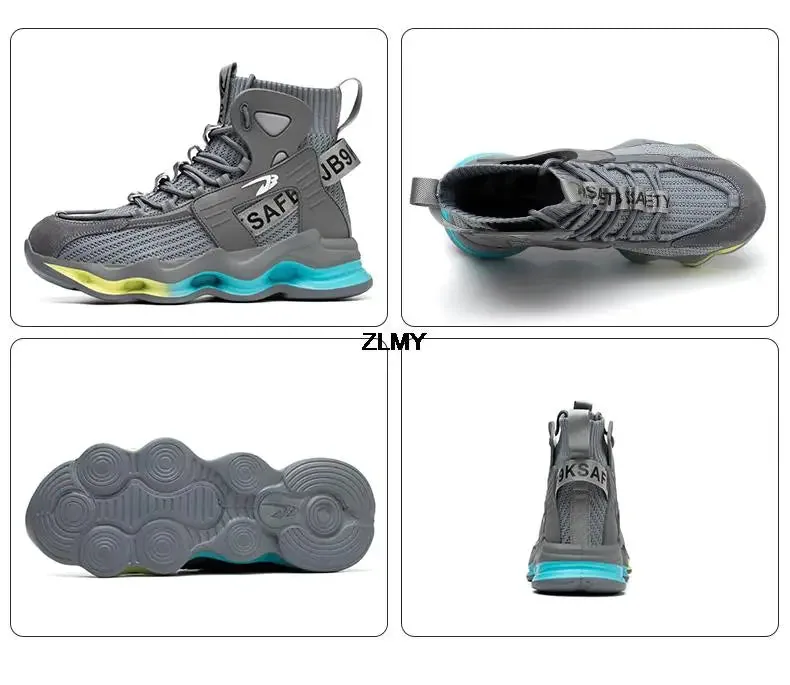
Safety shoes fail from the inside out. Water, sweat and grit break down the lining and the midsole long before the toe cap gives up. Looking after them is mostly about keeping them dry and clean.
Clean them weekly, not monthly
Brush off dried mud and dust before it works into the stitching. Wipe leather uppers with a damp cloth and a little mild soap, then let them air dry. Avoid solvents and detergents — they strip the oils that keep leather supple.
Dry them properly
Never put safety shoes on a radiator, in front of a heater, or in a tumble dryer. Heat cracks the sole and hardens the leather. Stuff them with newspaper or use a shoe tree at room temperature, and rotate between two pairs if you can — a shoe that gets 24 hours to dry lasts far longer than one worn every day.
Deal with sweat
Sweat is acidic and it destroys linings. Change your socks daily, use moisture-wicking socks rather than cotton, and consider a foot powder. If your shoes are soaked through, treat them like wet boots: newspaper inside, air outside.
Check the sole regularly
Worn tread is a slip hazard, and a sole that has gone hard loses grip on wet or oily floors. Look at the heel and the ball of the foot, where wear shows first. If you can see the midsole through the tread, it is time to replace them.
Inspect the toe cap
Run your hand inside and out. Any crack, exposed edge, or deformation of the cap means the shoe is no longer protective — even if it still looks fine. Impact damage is not always visible from the outside, so replace shoes that have taken a heavy hit.
Store them sensibly
Keep them somewhere dry and ventilated, not in a damp locker or a hot van. If you work in a wet environment, having a second pair to rotate is the single biggest thing you can do to extend their life.
See the full safety shoes range for models built for wet and oily conditions.